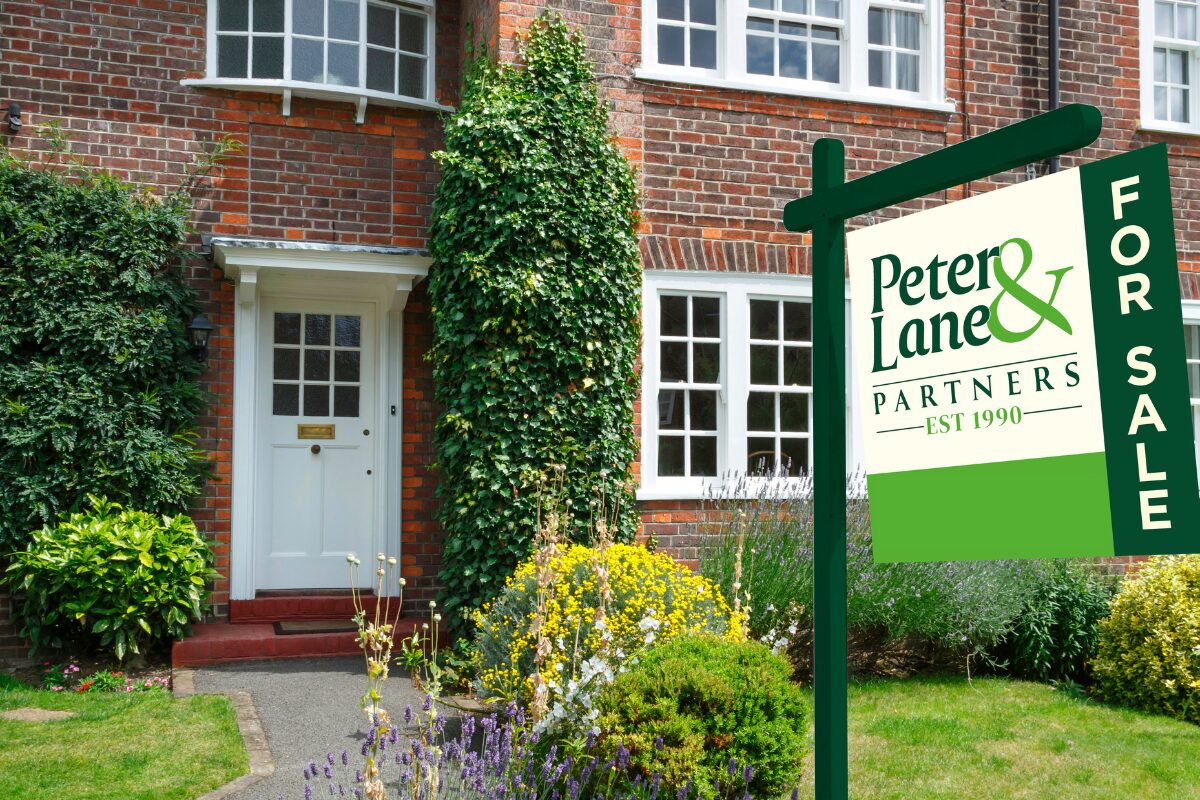
A quieter Budget, but not a quiet one for everyone
Chancellor John Healey’s first Budget on 28 October 2026 was billed as a “breathing space” event rather than a big tax-raiser. After two Budgets that brought in more than £67 billion of new taxes, there were no headline changes to income tax, National Insurance or VAT rates.
That does not mean property owners escape unscathed. Landlords face a further rise in the tax on rental profits from April 2027, and frozen thresholds for income tax and inheritance tax continue to bite. On the positive side, first-time buyers get new support, and there are welcome changes for those improving or letting property.
Below, we pick out the changes most likely to affect landlords, homeowners and buyers, and what you might want to think about now.
Landlords: higher tax on rental profits from April 2027
The headline change for landlords is a further two percentage point rise in the tax on property income, on top of the increase announced in last year’s Budget. From 6 April 2027, rental profits in England, Wales and Northern Ireland will be taxed at:
| Taxpayer | 2027/28 rate on property income |
|---|---|
| Basic rate | 24% |
| Higher rate | 44% |
| Additional rate | 49% |
For comparison, other income such as wages and pensions stays at 20%, 40% and 45%. The rate on savings interest rises to the same 24%, 44% and 49%.
At the same time, the income tax thresholds stay frozen until the end of 2030/31: a £12,570 personal allowance, higher rate from £50,270 and additional rate from £125,140. As rents rise, more landlords will be pulled into the higher bands. The £1,000 property allowance and £7,500 rent-a-room relief are unchanged.
What this means: a higher rate landlord with £20,000 of rental profit would pay £800 more a year than at a 40% rate. Now is a good time to review your allowable expenses, how jointly owned property is split between spouses, and whether your ownership structure still makes sense. Any change of structure can trigger stamp duty and capital gains tax, so take advice before acting.
Buying a home: new support for first-time buyers
Your First Home scheme. From April 2027, first-time buyers who could not otherwise buy will be able to get a 20% government equity loan. Household income is capped at £110,000 outside London and £140,000 in London. Price caps are based on local median prices, with caps of £650,000 in inner London and £500,000 in outer London. Buyers will need a deposit of between 2.5% and 15%.
Lifetime ISA. The Lifetime ISA stays open until 2029/30, with its £4,000 annual limit and 25% bonus. From 29 October 2026, the withdrawal penalty for buying a home above the £450,000 price cap falls from 25% to 20%.
First Time Buyer ISA. From April 2029 a new First Time Buyer ISA replaces the Lifetime ISA for new savers. It keeps the £4,000 annual limit and £450,000 price cap, with a 25% government bonus worth up to £20,000.
Stamp duty. Stamp Duty Land Tax rates in England and Northern Ireland are unchanged:
| Property price slice | Rate |
|---|---|
| Up to £125,000 | 0% |
| £125,001 to £250,000 | 2% |
| £250,001 to £925,000 | 5% |
| £925,001 to £1.5 million | 10% |
| Over £1.5 million | 12% |
First-time buyers pay nothing on the first £300,000 and 5% on the portion up to £500,000. Buyers of additional homes pay a 5% surcharge, and non-UK residents a further 2%. Scotland and Wales have their own property taxes, with rate changes possible in their own budgets later this year.
Selling or passing on property
Capital gains tax. Rates are unchanged at 18% and 24%, including on residential property, and the annual exempt amount stays at £3,000. Trusts pay 24% on residential property gains, with an annual exempt amount of up to £1,500.
Late property disposal returns. If you sell a UK residential property with a gain, you must report it and pay the tax within 60 days. From 28 October 2026, late filing penalties on these returns will stop building up once the sale is reported on your self-assessment return. It is still far better to file on time.
HMRC is looking closely. HMRC recovered nearly £500 million in capital gains tax in 2025/26 through stepped-up compliance work, helped by AI. Make sure your gain calculations, costs and reliefs are well documented.
Inheritance tax. The £325,000 nil rate band and the £175,000 residence nil rate band, which applies when a home passes to children or grandchildren, stay frozen until April 2031. The residence band is still tapered away for estates over £2 million. From 28 October 2026, rules on debts secured against trust property are also being tightened.
What this means: with property values rising and thresholds frozen, more family homes will fall into the inheritance tax net. Reviewing your will, how property is owned, and lifetime gifting can make a real difference.
Running a property business
Making Tax Digital. Landlords and sole traders with qualifying income over £30,000 must keep digital records and send quarterly updates to HMRC from April 2027. There will be no penalties for late quarterly updates during 2027/28, but setting up early will make the transition far smoother.
Payments on account. From April 2029, self-assessment taxpayers who make payments on account will move to more regular in-year payments, with the option to pay through PAYE.
Correcting errors. From April 2028, HMRC can issue a correction notice where it suspects a mistake in a return, requiring you to fix it or explain why no change is needed.
Energy improvements. From 1 April 2027, VAT on installing energy-saving materials in homes returns to the reduced 5% rate, and heat batteries are added to the list of qualifying materials. This is worth factoring in if you are upgrading rental properties to meet energy efficiency standards.
Commercial property. From 1 April 2027, small business rate relief for retail, hospitality and leisure premises extends to rateable values of £18,000 for full relief and £21,000 for tapered relief. Relief for pubs, social clubs and live music venues rises to 35%. Land sold to registered social housing providers will be zero-rated for VAT from the same date.
Key dates for property owners
| Date | Change |
|---|---|
| 28 October 2026 | Late filing penalties on property disposal returns capped once reported on self-assessment |
| 29 October 2026 | Lifetime ISA penalty for buying above £450,000 cut to 20% |
| 1 April 2027 | 5% VAT on energy-saving materials; business rates relief changes |
| April 2027 | Your First Home equity loan scheme opens |
| 6 April 2027 | Property income tax rises to 24%, 44% and 49%; Making Tax Digital for income over £30,000 |
| April 2028 | HMRC correction notices introduced |
| April 2029 | First Time Buyer ISA launches; new payments on account system |
| April 2031 | Income tax and inheritance tax threshold freezes end |
How Peter Lane & Partners can help
Many of these changes don’t take effect until April 2027, which gives you time to plan. Whether you are a landlord facing higher tax on rental profits, a homeowner thinking about selling or passing on property, or a first-time buyer weighing up the new schemes, now is the time to act.
If you would like to talk through how the Autumn Budget affects you, please get in touch with your usual contact at Peter Lane & Partners.
This article is for general information only and is based on the Budget announcements of 28 October 2026, which may change before they become law. Tax treatment depends on individual circumstances. Please seek professional advice before acting.